
Diabetic Retinopathy Care at Desert Iris Vision in Gilbert AZ
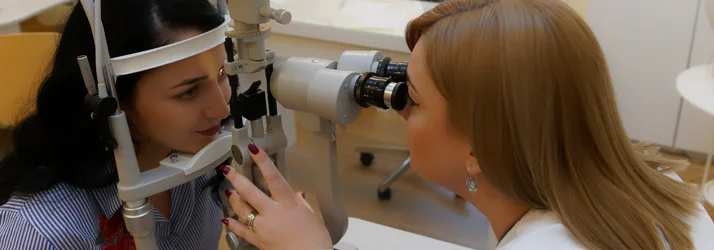
Diabetes results in far more than high blood sugar levels. Uncontrolled diabetes can quietly damage the blood vessels in your retina, with typically no changes to your vision until the damage becomes extensive. Desert Iris Vision in Gilbert, AZ, provides regular screenings to catch diabetic retinopathy early and treatments to keep it under control.
What is Diabetic Retinopathy?
Over time, unchecked high blood sugar levels can block or weaken the blood vessels that nourish the retina. This can cause the blood vessels to bleed or become completely blocked, leading to gradual vision loss. This progressive condition is diabetic retinopathy. It is a leading cause of blindness in adults.
How Diabetic Retinopathy Progresses
Diabetic retinopathy has two stages of progression:
- Non-Proliferative Diabetic Retinopathy (NPDR): This early phase is marked by tiny swellings called microaneurysms forming within the retinal blood vessels. These weakened vessels may leak blood and fluid, causing swelling in the central retina, a condition known as diabetic macular edema (DME). As the disease progresses, more blood vessels can become blocked, reducing blood flow to the retina.
- Proliferative Diabetic Retinopathy (PDR): In the advanced stage, the retina responds to poor circulation by growing new blood vessels. These abnormal vessels are fragile and can bleed easily, leading to floaters, blurred vision, or blind spots. Over time, scar tissue may develop and pull on the retina, increasing the risk of retinal detachment and significant vision loss.
Risk Factors
Anyone with Type 1, Type 2, or gestational diabetes is at risk. However, your risk can increase based on your lifestyle or other health factors.
Commonly, the risk factors can be categorized as:
- Unmodifiable – This includes the duration of your diabetes, with chances of developing diabetic retinopathy increasing with the length of your diabetes diagnosis. Other markers include pregnancy, ethnicity, and complications related to medical conditions such as kidney disease or nerve damage from high blood sugar.
- Modifiable – These are mainly lifestyle and clinical factors you can actively manage. The risk of developing diabetic retinopathy here comes from poor control of blood sugar, hypertension (high blood pressure), increased cholesterol, and use of chewing tobacco or smoking.
Why Regular Screening Matters
It is very important to consider the fact that diabetic retinopathy frequently does not show any signs or symptoms in early stages. Your vision can remain normal even while the disease is actively damaging your retina. This makes waiting for symptoms to appear very risky for your long-term eye health and vision. Regular eye exams at Desert Iris Vision remain the most reliable way to catch it early while treatment options are often simpler.
Symptoms to Watch For
Common early symptoms of diabetic retinopathy can often be dismissed as eye fatigue, a change in your prescription for eyeglasses or contacts, or simply getting older. A few early and advanced signs and symptoms include:
- Fluctuating vision – Your vision may unpredictably change from clear to blurry throughout the day, often with fluctuations in your blood sugar levels.
- Blurry vision – You may find it difficult to focus while reading, looking at screens, or seeing something far away from you.
- Colors appearing washed out or faded – The retina is responsible for color perception. When the cells in your retina are damaged, bright colors may start to look dull or muted.
- Appearance of floaters or dark spots – You may start noticing new spots or string-like shapes that float across your visual field. Shadows or blind spots, especially in your side and central field of vision, are also signs of retinal damage.
- Poor vision at night – You may have difficulty adjusting to dark rooms or driving at night.
- Sudden loss of vision – This is typically a sign of severe bleeding or a detached retina. This is a very serious sign and typically requires immediate treatment.
If you notice any of these signs or if Shadan Zangana detects them during your eye exam, you may be eligible for diabetic retinopathy treatment.
Treatments for Diabetic Retinopathy
The goal of treatment is to slow or stop the progression of diabetic retinopathy, preserve your vision, and support long-term eye health. At Desert Iris Vision, Shadan Zangana diagnoses, monitors and helps you manage the condition in the early stages.
When you are diagnosed with the disease in its early stages, Shadan Zangana often focuses on promoting habits that help you manage blood sugar, blood pressure, and cholesterol levels. This is also the foundational treatment and is often used alongside medical interventions.
For advanced stages, you may require treatments such as anti-VEGF injections, laser treatment (photocoagulation), or vitrectomy. We refer these treatments to an ophthalmologist.
Payment and Insurance
We are happy to answer any queries related to accepted insurance plans and payment options available. Please reach out to Desert Iris Vision regarding questions about your coverage and treatment costs.
Schedule Your Diabetic Retinopathy Screening Today!
Do you have diabetes or high blood pressure? Contact Desert Iris Vision and schedule your eye screening. Call or visit our office to make an appointment today.
Contact Information
Desert Iris Vision
3546 S Power Rd #105
Phone: (480) 907-0123
Book An
Appointment
Today!
OFFICE HOURS
Desert Iris Vision
3546 S Power Rd #105
Gilbert, AZ 85234